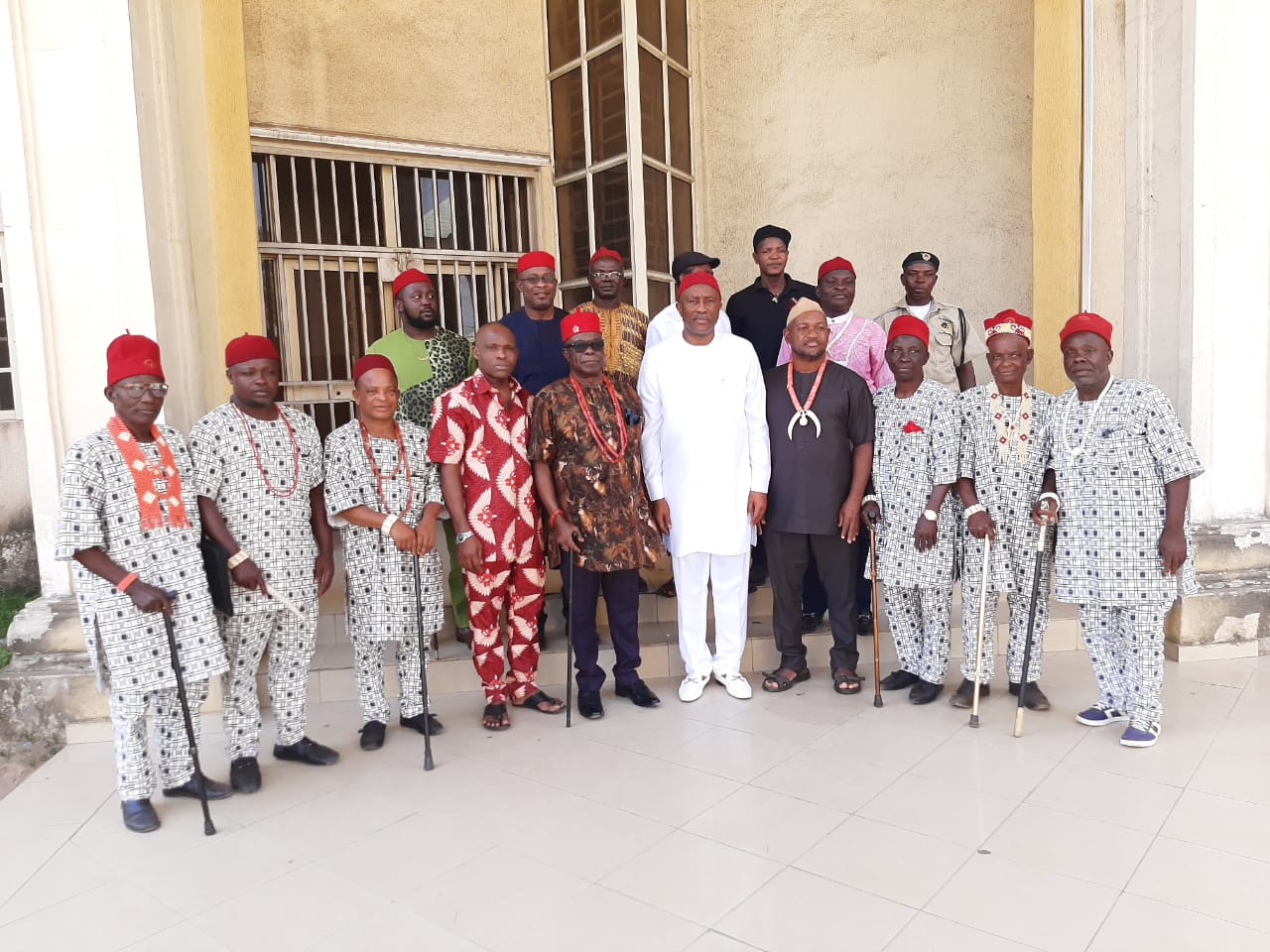


– Ask LGA Chairmen To Account For ₦5.4bn Monthly Allocations
The Orluzurumee Youth Assembly (OYA), the apex socio-cultural umbrella body of the 12 Local Government Areas in Orlu Senatorial Zone, has expressed concern over the deplorable state of infrastructure across the zone, despite the substantial financial allocations accruing to the various local government councils.
The Assembly also called on the 12 Executive Council Chairmen in the zone to account for the funds received by their respective councils, which it estimated at approximately ₦450 million monthly per Local Government Area, amounting to about ₦5.4 billion collectively.
In a press release dated August 9, 2026, and signed by its National President, Prince Izunna Obiefule, and National Publicity Secretary, Ikenna Orioha, the Assembly said it was deeply concerned about the condition of public institutions, including schools, primary healthcare centres and other critical infrastructure across Orlu Zone.
The statement, titled “₦5.4bn Monthly: Orluzurumee Youth Assembly Demands Accountability from Executive Council Chairmen in Orlu Zone,” said the level of development across the zone remained grossly inadequate and disproportionate to the resources available to the various local government councils.
According to the Assembly, the widespread deterioration of public schools, primary healthcare centres, community infrastructure and other public facilities, as well as the absence of visible capital projects in several communities, prompted it to seek information from the 12 local government councils under the provisions of the Freedom of Information Act, 2011.
The requests, according to OYA, seek information on the receipt, allocation and utilisation of public funds by the respective local government councils from August 2024 to date.
It said the objective was to understand the financial position of the councils and determine the extent to which available public resources had been deployed towards the development and welfare of the people.
The Assembly explained that it initially chose not to make the matter public, preferring what it described as a private and brotherly approach by communicating directly with the Executive Council Chairmen and giving them an opportunity to explain any challenges affecting the effective utilisation of public resources in their respective councils.
It, however, expressed disappointment that 10 of the 12 Executive Council Chairmen declined to receive the letters, despite the fact that the correspondence had been duly stamped, registered in court and delivered through a court bailiff.
The Assembly commended the two chairmen who received the correspondence and urged them to respond appropriately to the requests contained in the letters.
OYA said it was aware of information suggesting that local government councils in Orlu Zone receive substantial monthly allocations, averaging approximately ₦450 million per council.
While acknowledging that monthly allocations may vary and that local government finances comprise different statutory and internally generated revenue streams, the Assembly said the reported scale of public resources made the current state of development across many communities particularly troubling.
The Assembly questioned why the remaining 10 chairmen would refuse to receive lawful requests for information concerning public funds entrusted to their respective councils.
It argued that refusal to receive a request for information could not answer legitimate questions about public expenditure, but rather reinforced the need for greater transparency and accountability in the management of public resources.
The statement further said it was unacceptable for elected public officials to treat legitimate demands for accountability from citizens as an inconvenience.
“The funds in question are public resources, and the people of Orlu Zone have a legitimate interest in knowing how such resources are received, appropriated and utilised for their benefit,” the Assembly stated.
OYA added that democracy should not degenerate to a point where citizens are treated as adversaries for asking how public funds were being utilised.
The Assembly recalled that it encountered a similar challenge during its Legislative Performance Assessment exercise, when requests for performance-related information and scorecards concerning elected State and Federal lawmakers representing Orlu Senatorial Zone were allegedly not honoured by some lawmakers.
According to the group, some of the lawmakers later denied receiving correspondence that had been formally delivered to their offices.
The Assembly stressed that it did not intend to rely on hearsay or unverified public claims, which, it said, was why it chose the lawful and responsible path of formally requesting relevant information from the 12 local government councils.
“The people deserve to know what their councils receive, what they budget for, what they spend, what projects they execute, and the impact of such expenditure on their communities,” it stated.
The Orluzurumee Youth Assembly reaffirmed its commitment to advocating democratic accountability, transparency, responsible public administration and efficient service delivery across Orlu Senatorial Zone.
It also cited Section 1(1) of the Freedom of Information Act, 2011, which establishes the right of any person to access or request information in the custody or possession of any public institution, subject to the provisions of the Act.
The Assembly therefore called on the 12 Executive Council Chairmen to embrace transparency, receive and respond appropriately to the information requests submitted to their respective councils, and demonstrate that public resources were being deployed in the best interests of the people.
It assured residents of Orlu Zone that it would continue to demand responsible governance, transparency and tangible development across the senatorial zone.
I changed “berate lament” to “Laments”, and made the ₦5.4 billion figure clearer as an approximate collective monthly amount based on ₦450 million per LGA.