
By Julian Chijioke, PhD
Brethren, let it be stated without any iota of doubt, that leadership does not always announce itself with noise. Sometimes it unfolds quietly in communities, in classrooms newly built for children who once studied under leaking roofs, in young people discovering new skills that open doors to opportunity, and in families who suddenly gain access to healthcare that once seemed beyond their reach. These are the spaces where the meaning of representation becomes real. Children of this present generation are indeed lucky, as they have access to things their parents saw in movies and international documentaries.
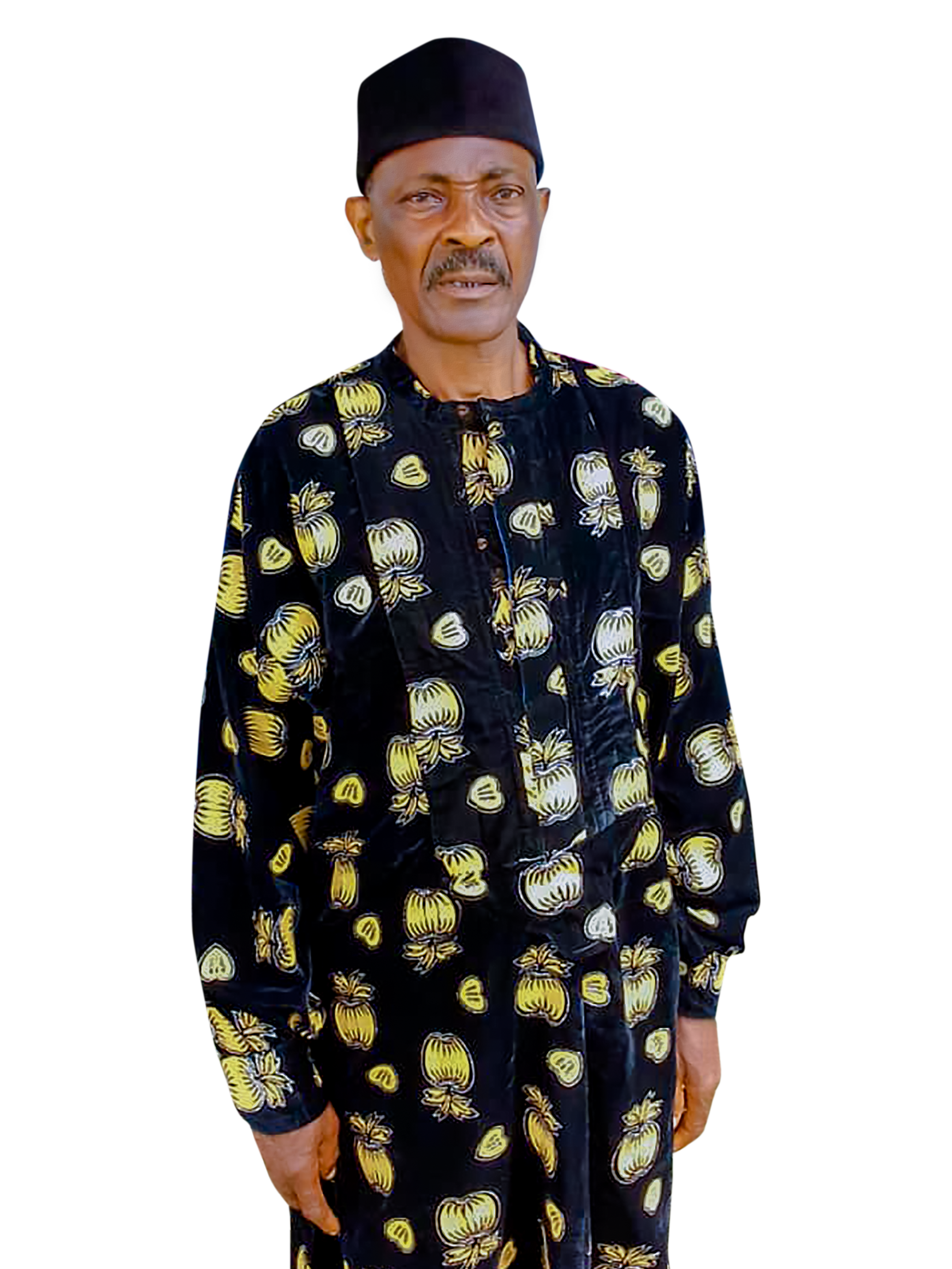
Within the political story of Owerri Federal Constituency, the name Tochukwu Okere increasingly appears in conversations about this quieter form of leadership. His work in the House of Representatives of Nigeria has been defined less by flamboyant political theatre and more by a pattern of steady intervention in the everyday concerns of his constituents.
Owerri Federal Constituency is not an ordinary political landscape. Comprising Owerri Municipal, Owerri North, and Owerri West, it represents the administrative and commercial heartbeat of Imo State. Expectations from the representative of such a constituency are naturally high. Citizens expect a voice in the National Assembly that understands national policy while remaining attentive to the needs of communities at home.
In many ways, the measure of a legislator is not only in speeches delivered on the floor of parliament but also in the ability to translate political authority into meaningful improvements in the lives of the people who sent him there.
In the legislative arena, Hon. Okere has demonstrated active participation in national discourse through the sponsorship of several bills and motions. Reports indicate that within a relatively short period in office he sponsored more than a dozen legislative proposals addressing social welfare, governance, and public policy issues affecting Nigerians. One of the most notable among them is a legislative effort aimed at strengthening the protection and welfare of older persons in Nigeria.
Such an initiative reflects an awareness of a demographic group that often receives limited attention in national policymaking. As Nigeria’s population ages, conversations about healthcare, social protection, and dignity for elderly citizens become increasingly important. Legislative advocacy in this direction signals a lawmaker who understands that representation must include the most vulnerable segments of society.
Yet perhaps the most visible dimension of Hon. Okere’s work lies within the constituency itself.
Education has been one of the major focal points of his constituency interventions. Across several communities within Owerri Federal Constituency, new classroom blocks have emerged where educational infrastructure once struggled to support the learning environment of pupils and students. Schools in communities such as Egbu, Nekede, Amakohia-Ubi, Agbala, Obibiezena, and Ihiagwa have benefited from the construction of modern classroom facilities equipped with supporting amenities.
The significance of these projects extends far beyond the physical structures themselves. A classroom is not merely a building. It is an environment where the aspirations of a new generation begin to take shape. By investing in educational infrastructure, representation moves beyond rhetoric into the practical work of shaping the future.
Alongside these physical projects has been a more direct intervention in the lives of students. In a country where examination registration fees often become a barrier for students from low-income families, the sponsorship of examination registrations for indigent students within the constituency represents a meaningful gesture. When a student who might otherwise have dropped out of the academic process gains the opportunity to sit for national examinations, the impact resonates within families and communities.
Youth empowerment has also featured prominently within the broader framework of Hon. Okere’s leadership approach. Owerri Federal Constituency is home to a large population of young people navigating the uncertain terrain of employment and entrepreneurship. Programs that equip young people with practical digital skills represent an important investment in the future.
Through collaborative initiatives with development organizations, young people within the constituency have been exposed to digital training programs designed to prepare them for opportunities within the modern technology-driven economy. Some participants have received laptops to support their learning and professional growth, while others have taken on the role of training fellow youths across different wards within the constituency.
Such initiatives illustrate an understanding that development in the twenty-first century must include technological literacy. In an era where digital platforms increasingly shape economic participation, empowering young people with relevant skills becomes a strategic decision for community advancement.
Healthcare has also formed part of the social interventions associated with his office. One of the most notable initiatives linked to his constituency work involves the enrollment of thousands of residents into the state health insurance program. For many families, access to healthcare remains one of the most pressing concerns of everyday life. The cost of medical treatment can quickly become overwhelming, especially for low-income households.
By facilitating the inclusion of constituents within the health insurance scheme, the initiative provides a safety net that helps families manage medical expenses. Access to primary healthcare services becomes easier, and communities experience the reassuring presence of a system that offers some level of protection in times of illness.
Beyond these major sectors, additional community development efforts have contributed to improving the daily environment of several communities within the constituency. Solar-powered streetlights have been installed in certain areas, enhancing security and nighttime visibility. The provision of electricity infrastructure such as transformers has helped address long-standing power challenges in some locations. Community spaces and civic facilities have also received attention through renovation and completion projects.
These interventions may appear modest when considered individually, yet collectively they represent the incremental process through which communities evolve.
Another dimension of his constituency work has involved economic empowerment initiatives targeting women and small-scale entrepreneurs. In many communities within Owerri Federal Constituency, women form the backbone of the local economy through petty trading and small businesses. Providing financial support and empowerment opportunities for these women strengthens household economies and contributes to community stability.
Similarly, agricultural empowerment initiatives supporting local farmers with inputs and resources highlight the continuing importance of agriculture even within semi-urban environments.
Youth engagement through sports has also found expression in the organization of football competitions aimed at discovering and nurturing young talents. In communities where recreational opportunities are limited, such programs provide young people with constructive outlets for their energy and aspirations.
Despite these numerous interventions, it remains clear that the public narrative surrounding Hon. Tochukwu Okere’s work has not always reflected the scale of activity within the constituency. Nigerian politics sometimes rewards spectacle over substance. Leaders who focus on delivering tangible results may find themselves operating outside the constant glare of publicity that accompanies more dramatic political performances.
Yet the absence of excessive publicity does not diminish the value of the work being done. In fact, it often reveals a leadership style grounded in patience and practical impact.
Owerri Federal Constituency continues to evolve socially and economically. As urban expansion increases and population pressures grow, the responsibilities of representation will only become more complex. Legislators must remain attentive not only to national policymaking but also to the shifting developmental needs of their communities.
The work already undertaken by Hon. Tochukwu Okere suggests a recognition of these realities. His approach to representation reflects an understanding that political office offers an opportunity to create lasting improvements in the everyday lives of citizens.
Leadership ultimately leaves its mark through outcomes rather than headlines. Roads repaired, schools built, students supported, young people empowered, and families gaining access to healthcare represent the quiet achievements that shape the story of a constituency.
As the years unfold, the people of Owerri Federal Constituency will continue to assess their representation not by political rhetoric but by the tangible progress visible within their communities. In that evaluation, the steady leadership approach demonstrated by Hon. Tochukwu Okere will remain part of the conversation about what effective representation can look like in Nigeria’s democratic journey.
Julian Chijioke, PhD, is a communication scholar with specialization in political communication and health communication. He writes from the Eastern Heartland.